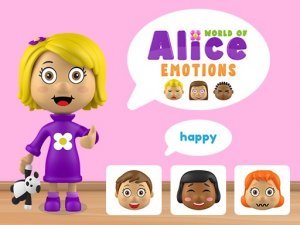
World of Alice Emotions Puzzle
Reviews
World of Alice Emotions uses bright, friendly images to teach kids about feelings. The simple tap-to-match gameplay is easy for toddlers to grasp. Each correct answer gets positive reinforcement, which builds confidence. With no ads or distractions, children can focus on learning. The variety of scenarios keeps the experience fresh and encourages replay. It is a valuable tool for parents and teachers who want to support emotional development in a fun, safe way.
About this game
Game Introduction
World of Alice Emotions is an educational puzzle game designed to help children recognize and understand different emotions. Through colorful and engaging images, kids explore feelings such as happiness, sadness, surprise, and more. The game turns learning into a fun adventure, making it a valuable resource for parents and teachers. Available on cell phones, tablets, and computers, it offers a safe and interactive way for young learners to develop emotional intelligence. With Alice as their guide, children enjoy discovering how emotions work in everyday life.
How to Play
Playing World of Alice Emotions is simple and intuitive. Children are presented with various images showing different emotions. They need to identify and match each emotion correctly. The game provides gentle feedback to encourage learning. Players can tap or click on the images to make their choices. The friendly design ensures that even young children can play independently. As they progress, they encounter a variety of scenarios that help reinforce their understanding of feelings. This hands-on approach makes learning about emotions both effective and enjoyable.
Game Features
Interactive emotion learning with colorful images. Suitable for all ages. No ads or distractions. Simple tap or click controls. Gentle feedback to guide learning. Multiple scenarios to reinforce understanding. The game is designed to be safe and educational, providing a positive experience for children as they explore emotions.
Tips for Success
Encourage children to take their time when matching emotions. Discuss each emotion shown in the game to reinforce learning. Practice regularly to build familiarity with different feelings. Use the game as a conversation starter about emotions in real life. Celebrate correct matches to boost confidence. Keep sessions short and fun to maintain engagement.