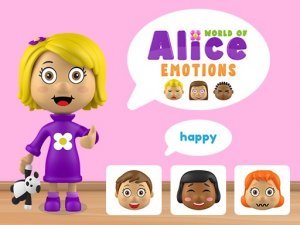
World of Alice Feelings Puzzle is an educational game designed to help children recognize and understand different emotions. Through colorful and engaging images, kids explore feelings such as happiness, sadness, surprise, and more. The game turns learning into a fun adventure, making it a valuable resource for parents and teachers. Available on cell phones, tablets, and computers, it offers a safe and interactive way for young learners to develop emotional intelligence. With Alice as their guide, children enjoy discovering how emotions work in everyday life. The game focuses on building empathy and self-awareness in a playful environment. Each puzzle presents a scenario that encourages kids to think about how others might feel. This approach helps children connect emotions to real-life situations. The content is carefully designed to be age-appropriate and engaging. Parents can feel confident that their children are learning valuable life skills while having fun. The game also supports early childhood development by promoting observation and critical thinking. By matching emotions to images, children practice identifying facial expressions and body language. This foundational skill is important for social interactions and communication. World of Alice Feelings Puzzle makes emotional learning accessible and enjoyable for all children.
Playing World of Alice Feelings Puzzle is simple and intuitive. Children are presented with various images showing different emotions. They need to identify and match each emotion correctly. The game provides gentle feedback to encourage learning. Players can tap or click on the images to make their choices. The friendly design ensures that even young children can play independently. As they progress, they encounter a variety of scenarios that help reinforce their understanding of feelings. This hands-on approach makes learning about emotions both effective and enjoyable. The controls are straightforward, requiring only basic interaction with the screen. Each correct match is rewarded with positive reinforcement, which helps build confidence. The game does not use timers or pressure, allowing children to learn at their own pace. This makes it suitable for kids of different ages and skill levels. Parents can easily guide their children through the game if needed. The intuitive interface means that little to no instruction is required before playing. Children can start exploring emotions right away.
Interactive emotion learning with colorful images. Suitable for all ages. No ads or distractions. Simple tap or click controls. Gentle feedback to guide learning. Multiple scenarios to reinforce understanding. The game is designed to be safe and educational, providing a positive experience for children as they explore emotions. The content is free from any inappropriate material, making it ideal for young audiences. The game can be played on various devices, including phones, tablets, and computers. This flexibility allows children to learn at home or on the go. The puzzles are designed to be visually appealing and easy to understand. Each scenario presents a clear emotion for the child to identify. The game encourages repeated play to reinforce learning. There are no in-app purchases or external links, ensuring a safe environment. The focus is entirely on educational value and fun.
Encourage children to take their time when matching emotions. Discuss each emotion shown in the game to reinforce learning. Practice regularly to build familiarity with different feelings. Use the game as a conversation starter about emotions in real life. Celebrate correct matches to boost confidence. Keep sessions short and fun to maintain engagement. Parents can ask questions like 'What do you think this person feels?' to deepen understanding. Repeating the game helps children remember and recognize emotions more quickly.







Player Comments
Sign in to comment
You must be logged in before posting a review or rating.
No account? Create one
No comments yet. Be the first to comment!